

BRAIN INJURY GUIDE
Featured
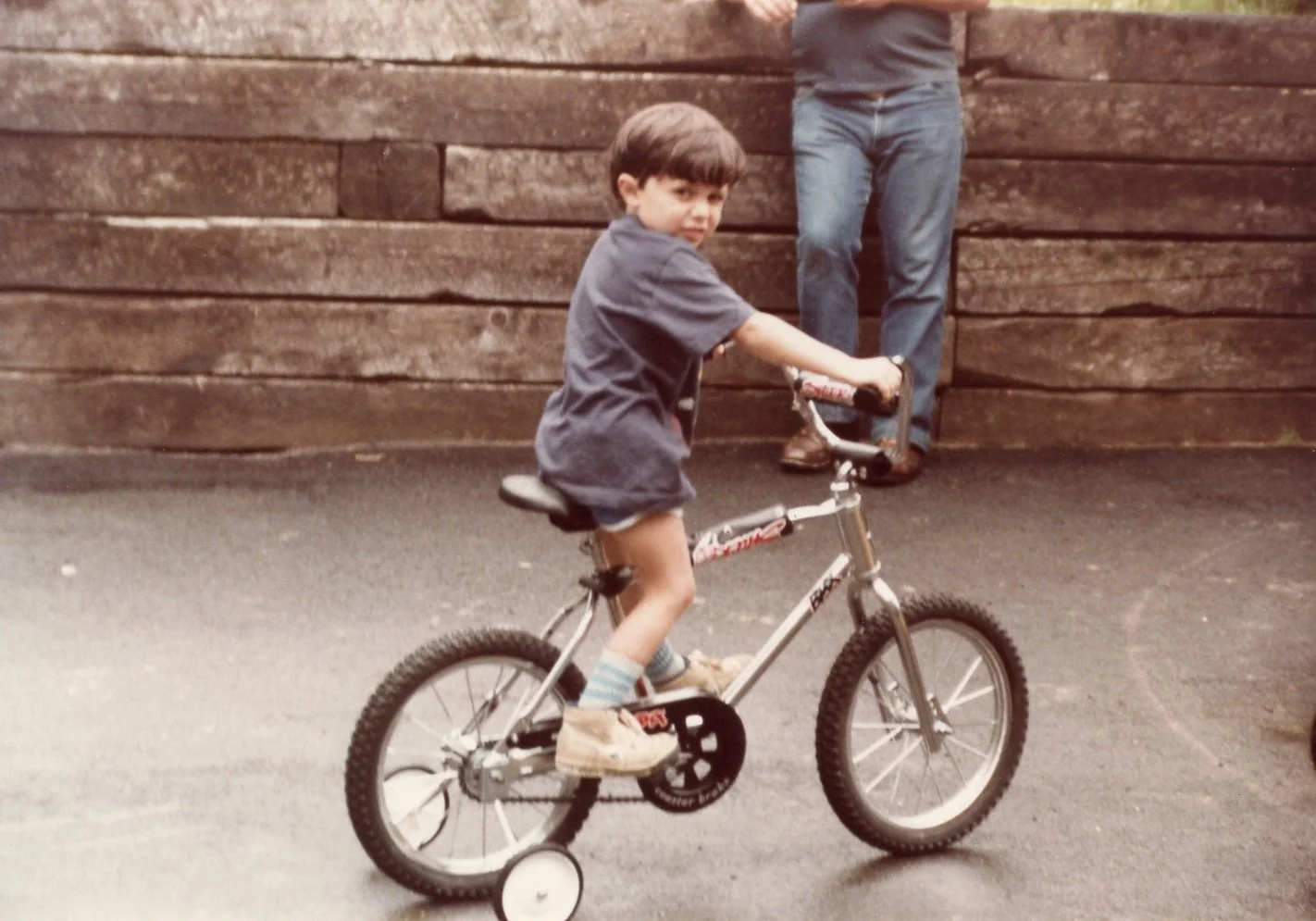




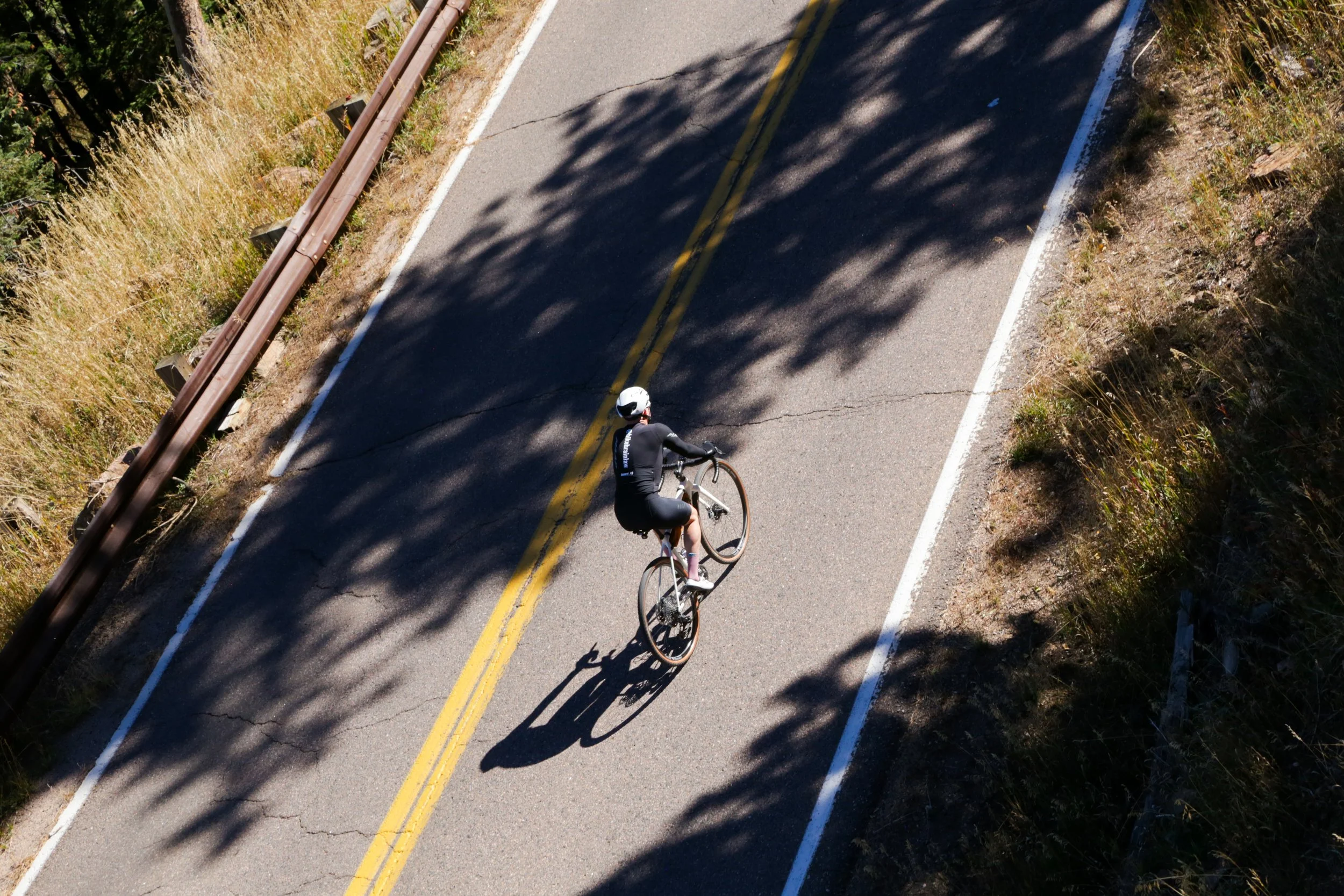



Learning how to ride a bicycle is a long-term memory known as an implicit and procedural memory. Motor skills like riding a bicycle have long been known to be stored in the areas of the brain known as the cerebellum and basal ganglia. raumatic brain injuries that involve the cerebellum or basal ganglia may result in symptoms of impaired motor skills that include problems with balance, coordination, and dexterity. Examples may include problems picking up and using a fork while eating, unsteady walking, dizziness, tremors, problems with hand writing or buttoning clothes, and more.
Hospital ERs don’t always get it right when it comes to diagnosing mild TBIs. Find out why and if you may still have a case even if you were not diagnosed with at TBI at the ER.
These are the questions you should ask when deciding to hire an attorney to represent you for a traumatic brain injury.
Most people have heard of an MRI or magnetic resonance imaging but do not know that there are many different kinds of MRIs.
Imaging of the brain by computed tomography (CT) or magnetic resonance imaging (MRI) is not required to diagnose a traumatic brain injury.
A traumatic brain injury may or may not involve loss of consciousness, blacking out or being knocked out. Loss of consciousness is only one of several factors used to diagnose a TBI.
Did you know that you don’t have to hit your head to sustain a traumatic brain injury (TBI)?
Every brain injury is different, and results vary from person to person. This is largely because every person is different with their own unique genetics, demographics, and medical history.
The list of potential symptoms of a brain injury is long and there are other confounding factors why brain injured people, their friends, coworkers, and family members may have difficulty noticing whether a brain injury occurred. This can cause delays in diagnosis, treatment and protecting a brain injured person’s legal rights.