Colorado Bike Light Laws — and Why You Should Run Lights in Daylight Too
Colorado requires bicycles run brakes, a reflector, and lights at night. Why smart riders run them in daylight too - and how to protect your claim in the event of a crash.
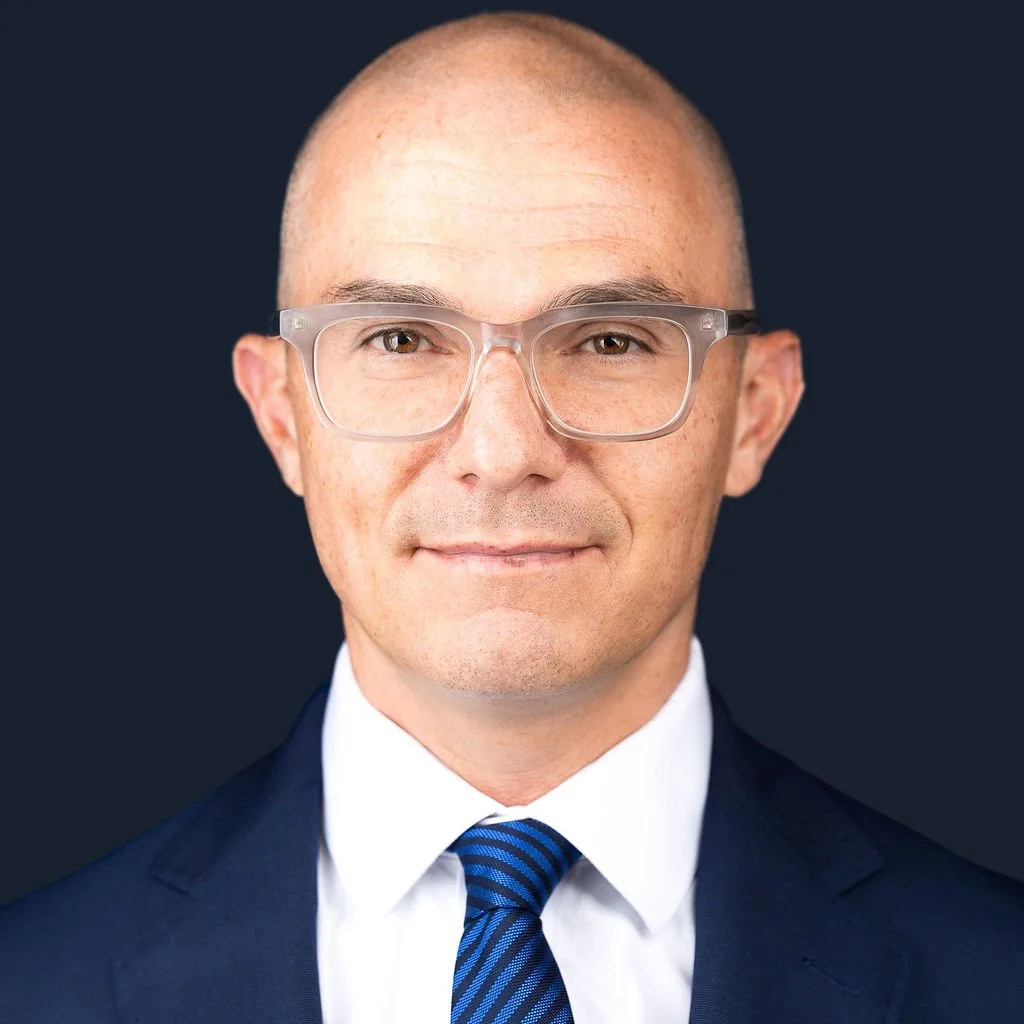
By Attorney Dan D'Angelo
Trial Lawyer · Brain Injury Advocate · Avid Cyclist
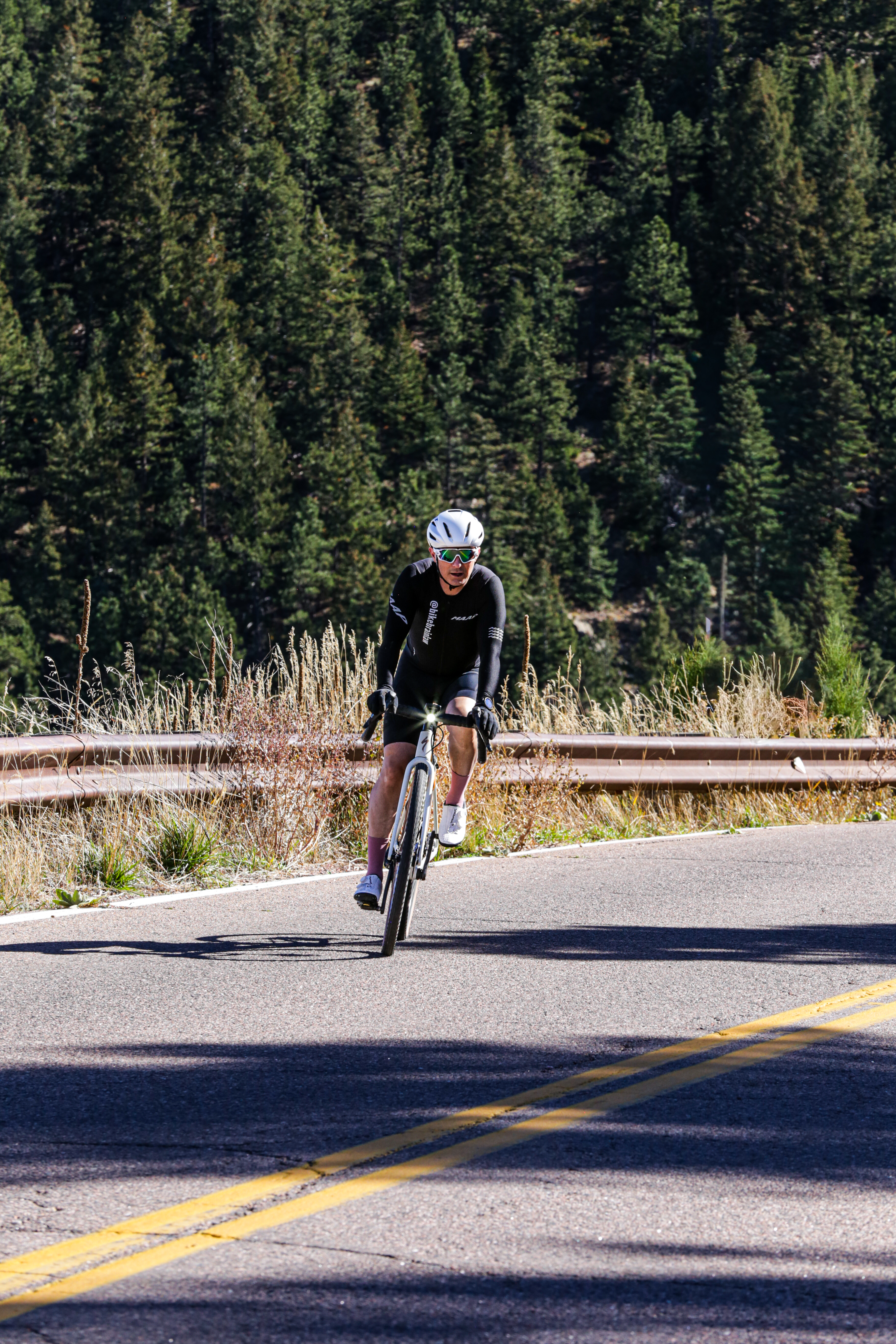
Surprisingly, Colorado law only requires a couple of pieces of equipment on your bicycle — and a helmet isn't one of them. Here's what the law actually says, and why smart riders go beyond it.
What Colorado Law Requires
Every bicycle operated on Colorado roads must have:
• Brakes that can stop the bike within 25 feet from a speed of 10 mph on dry, level, clean pavement.
• A red rear reflector visible to a car's low beams from 600 feet away.
When riding between sunset and sunrise — or any time weather or lighting makes you hard to see from 1,000 feet away — you also need:
• A white front headlamp visible from 500 feet away.
• Side visibility — reflective material or a lighted lamp that makes the bike visible from both sides to low beams from 600 feet away.
That's it. Short list. But the riders who stop at the legal minimum are missing the easiest safety upgrade available.
Why Run Lights During the Day
Front and rear lights are inexpensive, easy to install, and USB-rechargeable — and they make you dramatically more visible to drivers even in full daylight when properly mounted. Some lights are visible from up to 2 kilometers away. When mounting your lights take a moment to make sure nothing on your bike is blocking your light. Don't mount your rear light too low so the wheel does not block it when viewed from behind or the front. Make sure your lights are secure too as bumps and road vibrations can loosen and move lights causing them to point down or sideways. A flashing mode, or lights mounted to your feet or legs where the movement catches the eye, increases it further. Use of flash mode also extends the battery life.
Not convinced? A few things to think about:
• Your kit (aka clothes) doesn't always contrast. Even bright clothing blends into a changing back ground as you ride — green summer fields, gray winter roads, brown fall shoulders.
• Winter sun works against you. The sun sits lower, throwing glare into drivers' eyes and stretching long shadows from trees and buildings across the road. You're in and out of those shadows constantly.
• Daylight has dark spots. Underpasses, tunnels, tree-covered stretches — you ride through them every day, and drivers' eyes and other road users don't adjust instantly.
• Weather turns fast. A surprise rainstorm drops the ambient light and your visibility with it. Lights you already have on keep working.
Bonus: Lights With Cameras
Some front and rear lights now include built-in video cameras. Beyond the visibility benefit, they record your ride — and that footage can be critical evidence after a crash, including identifying a hit-and-run driver who doesn't stop.
The Legal Side
Here's the part that matters if you're ever in a crash: at night, riding without the lights Colorado requires hands the insurance company a ready-made argument that you were comparatively at fault — and Colorado's 50% fault bar means that argument can cost you everything. In daylight, running lights takes visibility off the table entirely. One less thing for them to twist.
If you were hit while riding, don't let an insurer decide what your visibility was worth. Talk to a lawyer who rides.
Dan D'Angelo is a Colorado trial lawyer representing injured bicyclists and brain injury victims. If you were hurt in a bike crash, tap Contact for a free consult.
-Dan
Have a question about your case?
Attorney Dan D'Angelo offers free consultations for brain injury and cycling accident victims throughout Colorado.
About the Author
Attorney Dan D'Angelo
Trial Lawyer · Brain Injury Advocate · Avid Cyclist
Attorney Dan D'Angelo founded D'Angelo Law Office, P.C. in 2009 and Bike Brain Law to focus exclusively on traumatic brain injury and cycling injury cases in Colorado. An avid cyclist himself, Dan combines deep TBI science knowledge with hands-on cycling experience to build winning cases against insurance companies and corporations that put profits over safety.
- Practicing Colorado personal injury attorney since 2009
- Focused practice in TBI and bicycle injury litigation
- Multi-million dollar settlements and verdicts for injury victims
- Avid road and commuter cyclist